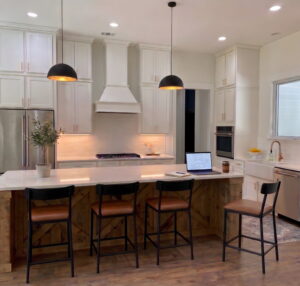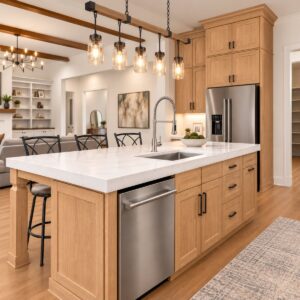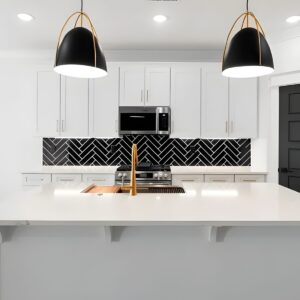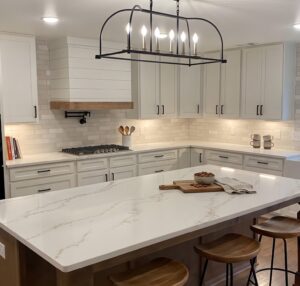
Choosing kitchen cabinets means balancing appearance, storage, construction quality, budget, and household kitchen use. Before purchasing, compare cabinet grade, box material, joinery, door style, finish, hardware, dimensions, and layout.
Cabinetry often occupies more visual space than any other feature in a kitchen. It also determines where cookware, dishes, food, appliances, and everyday supplies will live. Choosing cabinets involves much more than selecting a door color. A well-planned kitchen cabinet system should fit the room, support daily routines, and withstand years of regular use.
This guide explains the main choices homeowners should understand before buying kitchen cabinets. It can help you prepare productive conversations with a cabinet professional or Century Cabinets dealer and make more informed decisions about your kitchen project.
What Are Kitchen Cabinets?
Kitchen cabinets are built-in storage units made from cabinet boxes, doors, drawer fronts, shelves, hardware, and finished exterior components. They generally fall into three purchasing grades: stock, semi-custom, and custom.
These grades differ mainly in:
- Available sizes
- Modifications
- Finishes
- Design flexibility
- Lead times
- Cost
A complete kitchen cabinetry plan usually combines several cabinet types. Base cabinets support countertops. Wall cabinets provide storage above the work surface. Tall cabinets can hold pantry items, ovens, or other built-in features.
Cabinet quality can also vary considerably within each grade. Homeowners should evaluate how a cabinet is constructed rather than judging it by category alone.
What Kitchen Cabinet Materials Should You Compare?
Kitchen cabinet materials affect durability, weight, appearance, moisture resistance, and price.
Common choices include:
- Plywood
- Particleboard
- Medium-density fiberboard
- Solid wood components
Many cabinets use multiple materials because each material serves a different function.
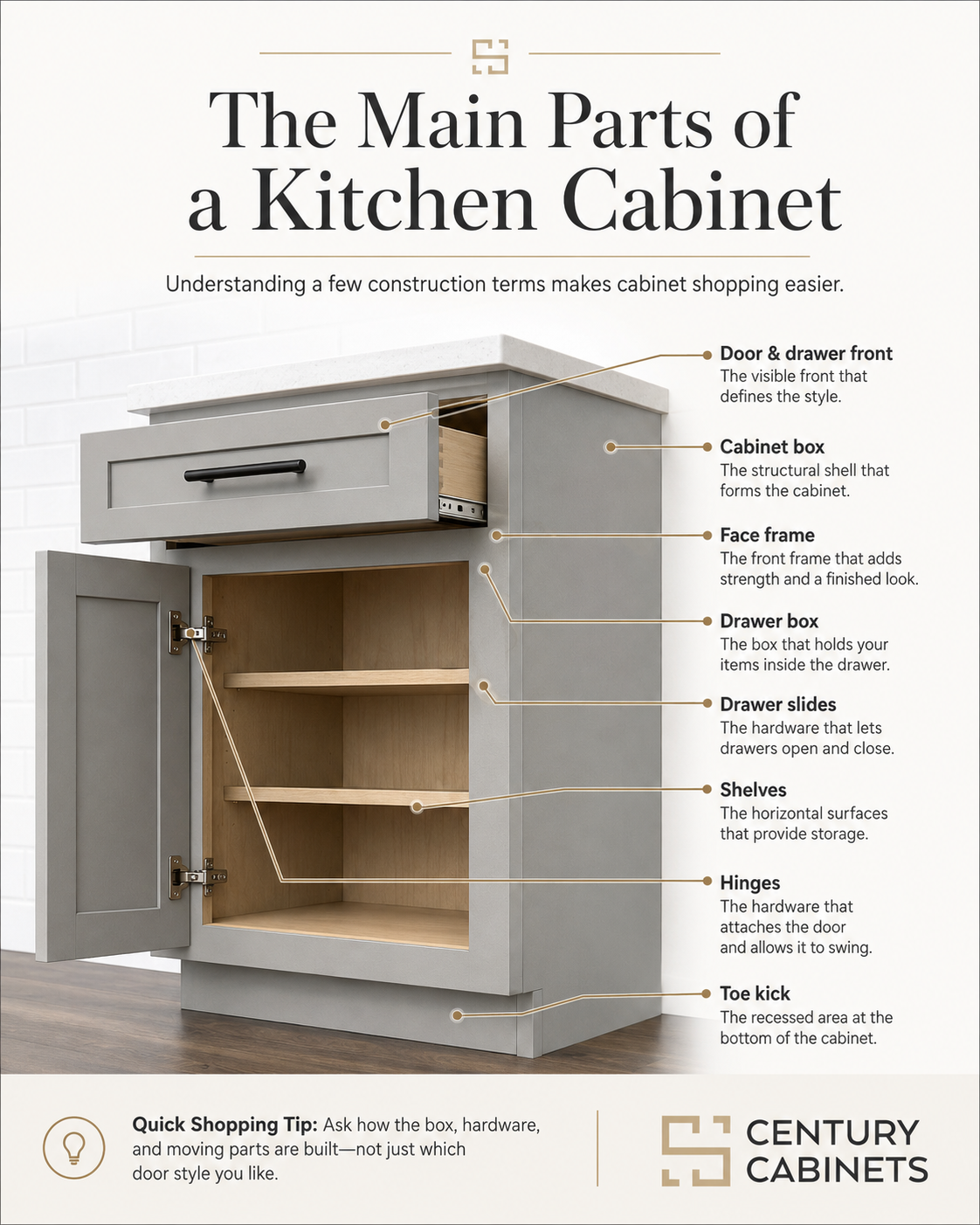
The cabinet box deserves particular attention because it supports shelves, doors, drawers, countertops, and stored items. A Century Cabinets dealer or qualified cabinet professional can help you compare construction specifications and understand which materials are appropriate for your project.
Plywood
Plywood consists of thin wood veneers bonded in alternating layers. Quality cabinet-grade plywood provides good structural strength and screw-holding ability.
It is commonly used for cabinet sides, backs, shelves, and other box components.
Plywood can handle everyday kitchen demands well when properly manufactured and finished. However, plywood quality and thickness vary, so homeowners should review the actual specifications of the cabinet line they are considering.
Particleboard
Particleboard is an engineered panel made from wood particles bonded with resin. It provides a smooth, consistent surface and is widely used in furniture and cabinetry.
Quality particleboard can perform well in properly constructed cabinets. However, prolonged exposure to water can cause swelling or deterioration, particularly around unsealed edges.
Rather than rejecting a cabinet based on one material name, consider:
- Panel thickness
- Assembly quality
- Edge protection
- Hardware attachment
- Manufacturer specifications
Medium-Density Fiberboard
Medium-density fiberboard, or MDF, is an engineered wood material made by combining refined wood fibers with resin and compressing them into dense, uniform panels.
Its smooth surface makes it particularly useful for painted doors and detailed profiles. Unlike natural wood, MDF does not have a visible grain pattern.
However, it should remain properly sealed because excessive moisture can damage the material.
Solid Wood
Solid wood is commonly used in cabinet doors, face frames, drawer components, and decorative details rather than every part of the cabinet box.
Wood species differ in:
- Grain
- Hardness
- Color
- Response to stains
Natural wood can also expand and contract as humidity changes. For that reason, quality construction matters just as much as the species of wood selected.
How Can You Judge Kitchen Cabinet Construction Quality?
Quality kitchen cabinets should feel stable, operate smoothly, and be constructed using methods appropriate for repeated daily use.
Look closely at:
- Cabinet box thickness
- Drawer construction
- Joinery
- Shelf strength
- Hinges
- Drawer slides
- Cabinet backs
- Interior finishes
A beautiful cabinet door can hide an average cabinet box. Whenever possible, open drawers, inspect cabinet interiors, and review the manufacturer’s specifications.
A Century Cabinets dealer can also help explain construction differences, product features, and available cabinet options.
Soft-Close Hinges and Drawer Slides
Soft-close hardware slows a door or drawer before it reaches the cabinet frame.
Benefits can include:
- Reduced slamming
- Quieter operation
- Smoother everyday use
Check whether soft-close hardware is standard or available as an upgrade.
You should also ask whether hinges are adjustable. Adjustable hinges can make it easier to maintain even gaps between cabinet doors after installation and normal use.
Cabinet Backs and Shelves
Cabinet backs contribute to both stability and installation. Compare the thickness and construction method rather than assuming every cabinet uses the same system.
Shelves also deserve attention. A long or lightly constructed shelf may flex when supporting heavy dishes or cookware.
Ask about:
- Shelf material
- Thickness
- Adjustability
- Weight capacity
Framed vs. Frameless Kitchen Cabinets: What Is the Difference?
Framed cabinets feature a front frame that supports the cabinet box and creates a defined border around the doors and drawers.
Frameless cabinets omit this front frame and attach the doors directly to the cabinet box.
Both systems can produce durable kitchen cabinetry when properly engineered and installed.
The main differences involve:
- Appearance
- Interior access
- Storage space
- Installation details
Face-Frame Cabinets
A face-frame cabinet has horizontal rails and vertical stiles around the cabinet opening.
Potential benefits include:
- Traditional cabinet construction
- Added rigidity at the cabinet front
- Compatibility with several door overlay styles
- A familiar appearance in many American kitchens
The frame can slightly reduce access to the cabinet opening.
Frameless Cabinets
Frameless construction is commonly associated with clean, contemporary cabinetry.
Because there is no face frame, the opening can provide more direct access to the cabinet interior.
Frameless cabinets typically depend heavily on accurate cabinet-box construction and installation.
Your decision should consider your preferred appearance, storage needs, available cabinet line, and overall kitchen design.
What Kitchen Cabinet Dimensions Should Homeowners Know?
Standard cabinet dimensions provide a starting point for most kitchen layouts.
A typical base cabinet box is approximately 34.5 inches high before the countertop. Standard base cabinets are commonly 24 inches deep plus the door, while wall cabinets are commonly about 12 inches deep plus the door.
A countertop generally brings the finished work surface to approximately 36 inches high.
Common Cabinet Dimensions
Typical planning dimensions include:
- Base cabinet height: 34.5 inches without countertop
- Base cabinet depth: 24 inches plus door
- Wall cabinet depth: commonly 12 inches plus door
- Wall cabinet heights: often 30, 36, or 42 inches
- Tall cabinet heights: commonly 84, 90, or 96 inches
- Toe kick height: commonly about 4 to 4.5 inches
- Typical finished countertop height: about 36 inches
These measurements are common conventions, not universal requirements.
Cabinet lines and project conditions vary. Standard dimensions should not replace project-specific measurements.
A qualified professional should verify:
- Room dimensions
- Cabinet sizes
- Appliance specifications
- Clearances
- Installation conditions
Appliances, flooring, ceiling height, plumbing, windows, doors, and countertop thickness can all affect final cabinet dimensions.
How Should You Plan a Kitchen Cabinet Layout?
A good cabinet layout places storage close to the tasks it supports.
Start with:
- Appliances
- Plumbing
- Doors
- Windows
- Major work areas
Then assign drawers, cabinets, pantry storage, and specialty organizers based on how you use the kitchen.
Avoid planning storage one cabinet at a time. Instead, consider the entire sequence of cooking, cleaning, serving, and putting items away.
A Century Cabinets dealer can help translate those priorities into a coordinated cabinet plan while accounting for door swings, appliance clearances, fillers, finished ends, and other easily overlooked details.
Start With Fixed Elements
Map these first:
- Windows
- Doors
- Plumbing
- Gas connections
- Electrical requirements
- Ventilation
- Refrigerator
- Range or cooktop
- Dishwasher
- Sink
Once these elements are located, the remaining cabinetry can be planned around them.
Match Storage to Daily Tasks
Store items close to where you use them.
For example:
- Drawers near the range can hold cooking utensils.
- Dish storage near the dishwasher can make unloading easier.
- A trash pullout near food-preparation areas can reduce unnecessary movement.
Consider what you use every day before adding specialized accessories.
Which Kitchen Cabinet Styles and Finishes Should You Consider?
The best kitchen cabinet styles complement the architecture of the home while aligning with the homeowner’s long-term preferences.
Common door styles include:
- Shaker
- Slab
- Raised-panel
Paint, stain, and other factory-applied finishes further influence the final appearance.
Door style usually creates the strongest visual impression, while finish and hardware help define the overall personality of the kitchen.
Shaker Cabinets
Shaker doors typically use a recessed center panel with simple rails and stiles.
Their restrained design works well with:
- Traditional kitchens
- Transitional kitchens
- Contemporary kitchens
Because the profile is relatively simple, color and hardware can significantly affect the overall character.
Slab Cabinets
Slab doors have a flat, uninterrupted front.
They are commonly used in kitchens where homeowners want:
- Clean lines
- Minimal detailing
- A contemporary appearance
Their simple shape can also make the cabinet material and finish more prominent.
Raised-Panel Cabinets
Raised-panel doors feature a center panel with greater depth and decorative profiling.
They often complement traditional or more detailed interiors.
The amount of ornamentation varies considerably depending on the specific door design.
Paint vs. Stain
Paint creates a more uniform color and can work well with smooth or engineered door materials.
Stain allows natural wood grain to remain visible. Variations in grain and color are normal characteristics of real wood.
Before selecting a finish based only on a screen or photograph, view physical samples whenever possible.
A Century Cabinets dealer can help homeowners explore available styles, colors, finishes, and door options in person.
How Much Should You Budget for Kitchen Cabinets?
Kitchen cabinet cost depends on:
- Cabinet grade
- Material
- Finish
- Number of cabinets
- Accessories
- Hardware
- Modifications
- Installation
- Local labor conditions
For early planning, installed cabinetry may range from roughly $100 per linear foot for some stock options to $1,200 or more per linear foot for highly customized work.
However, linear-foot estimates have limitations.
Two kitchens with the same wall length can have very different costs.
Features that may increase the total project price include:
- Large drawer bases
- Tall pantry cabinets
- Decorative end panels
- Glass doors
- Interior organizers
- Rollout trays
- Specialty corner storage
- Crown molding
- Custom paint or finish options
- Premium hardware
- Cabinet modifications
Compare detailed quotes rather than relying only on a price-per-linear-foot estimate.
A Century Cabinets dealer can help homeowners understand the available cabinet options and identify differences in construction, accessories, trim, finishes, and other project considerations.
What Should You Check Before Buying Kitchen Cabinets?
Before buying kitchen cabinets, verify:
- Cabinet construction
- Dimensions
- Finish
- Storage plan
- Warranty
- Installation requirements
- Total project price
You should also confirm appliance specifications and final measurements before placing an order.
A structured checklist can prevent expensive changes later.
Construction Checklist
Ask:
- What material is used for the cabinet box?
- How thick are the box sides and shelves?
- How are drawers assembled?
- What type of drawer slides are included?
- Are soft-close hinges and slides standard?
- Are the shelves adjustable?
- How is the cabinet back constructed?
- Which parts are solid wood, plywood, MDF, or particleboard?
Design Checklist
Confirm:
- Door style
- Cabinet color or stain
- Hardware style and finish
- Crown molding
- End panels
- Island finish
- Glass doors
- Interior organizers
- Appliance panels, if applicable
Project Checklist
Before ordering, confirm:
- Final field measurements
- Appliance model numbers
- Plumbing locations
- Electrical requirements
- Flooring plan
- Countertop requirements
- Delivery timing
- Installation responsibilities
- Warranty coverage
A showroom or dealer visit can make these comparisons easier because homeowners can inspect doors, drawers, finishes, and hardware in person.
Frequently Asked Questions About Kitchen Cabinets
What type of kitchen cabinets is best?
The best kitchen cabinets fit your budget, layout, storage requirements, and design preferences while providing durable construction.
Compare cabinet box materials, drawer construction, hardware, finishes, warranty coverage, and available sizes before choosing a cabinet grade.
Are plywood cabinets better than particleboard cabinets?
Plywood generally offers strong screw-holding capacity and structural performance, while quality particleboard provides a consistent and economical engineered panel.
However, material alone does not determine cabinet quality. Panel thickness, joinery, moisture protection, hardware, and overall construction also matter.
What is the standard height of kitchen base cabinets?
A standard kitchen base cabinet is typically 34.5 inches high without the countertop.
Once a typical countertop is installed, the finished work surface is usually approximately 36 inches above the floor.
Specific projects may require different dimensions.
Are semi-custom cabinets worth the additional cost?
Semi-custom cabinets can be worthwhile for homeowners who need more sizes, finishes, storage accessories, or design modifications than stock cabinetry provides.
They often offer a balance between standardized production and greater design flexibility.
How far in advance should I choose kitchen cabinets?
Choose cabinetry early enough to coordinate measurements, appliances, electrical work, plumbing, countertops, flooring, and installation.
Lead times vary by cabinet line and project complexity, so confirm the current production and delivery schedule before setting the remodeling timeline.
Plan Your Kitchen Cabinets Around the Way You Live
The right kitchen cabinets should make your kitchen easier to use while supporting the design and style you want.
Start with accurate measurements and a realistic budget. Then compare construction, cabinet grade, materials, storage, finishes, and hardware.
Physical samples and professional layout planning can also reveal important details that are easy to miss when researching cabinetry online.
Century Cabinets offers cabinetry options designed to help homeowners balance style, storage, quality, and everyday functionality.
Ready to Explore Century Cabinets for Your Kitchen?
If you’re planning a new kitchen or remodeling an existing one, the next step is to connect with a local Century Cabinets dealer.
A dealer can help you explore Century Cabinets door styles, finishes, storage solutions, cabinet options, and other design considerations based on your space and project goals.
Contact Century Cabinets about local dealers to start planning your kitchen.